
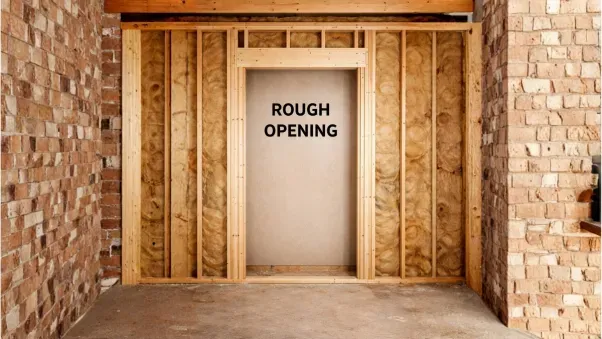
Installing a 36 inch door correctly starts with one critical step: creating the proper rough opening. Whether you are a homeowner handling a DIY project or a contractor needing a reliable reference, correct rough opening dimensions ensure smooth door operation, proper alignment, and long-term durability.
This guide explains standard rough opening sizes, why extra space is required, how to frame the opening correctly, and how to avoid common installation mistakes. Tables and visual diagrams are included for quick reference and easy use in website editors.
What Is a Rough Opening?

A rough opening is the unfinished framed space in a wall where a door unit will be installed. It is intentionally larger than the actual door slab to accommodate the door frame, shims, insulation, and adjustments required for proper leveling and alignment.
Without a correctly sized rough opening, doors may stick, bind, fail to latch, or allow air and moisture leaks.
Ready to start your door project? Visit George Build for expert guidance, quality products, and everything you need for a successful installation.
Standard Rough Opening Dimensions for a 36 Inch Door
A standard 36 inch door typically measures 36 inches wide by 80 inches tall. The recommended rough opening dimensions are:
| Measurement | Size |
| Rough Opening Width | 38 inches |
| Rough Opening Height | 82.5 inches |
Sizing formula:
Rough opening width = Door width + 2 inches
Rough opening height = Door height + 2.5 inches
These measurements apply to most interior and exterior pre-hung doors.
Rough Opening Size Chart (Common Door Sizes)
| Door Size (W × H) | Rough Opening Width | Rough Opening Height |
| 24″ × 80″ | 26″ | 82.5″ |
| 28″ × 80″ | 30″ | 82.5″ |
| 30″ × 80″ | 32″ | 82.5″ |
| 32″ × 80″ | 34″ | 82.5″ |
| 36″ × 80″ | 38″ | 82.5″ |
| 48″ × 80″ (Double) | 50″ | 82.5″ |
Why the Rough Opening Must Be Larger Than the Door
Extra space around the door is essential for both installation and long-term performance.
Key Reasons Explained
| Purpose | Why It Matters |
| Door frame fit | Pre-hung doors include a frame that adds width and height |
| Shimming space | Allows precise leveling and plumbing |
| Manufacturing tolerance | Accounts for slight size variations between brands |
| Expansion and contraction | Prevents binding from seasonal movement |
| Insulation | Allows spray foam or insulation to seal gaps |
Framing Components for a 36 Inch Door Opening
| Component | Quantity | Typical Size | Function |
| King studs | 2 | 2×4 (full height) | Structural side support |
| Jack studs | 2 | 2×4 × 80″ | Support the header |
| Header | 1 | Double 2×6 or 2×8 | Carries wall load |
| Plywood spacer | 1 | 1/2″ | Matches wall thickness |
| Rough sill | 1 | 2×4 | Supports door base |

Step-by-Step Framing Guide for a 36 Inch Door
Step 1: Measure and Mark
Mark a 38 inch width and 82.5 inch height from the subfloor. Confirm measurements at multiple points.
Step 2: Install King Studs
Install two full-height studs on each side of the opening. These provide structural support from floor to ceiling.
Step 3: Install Jack Studs
Cut jack studs to 80 inches and secure them inside the king studs. These will support the header.
Step 4: Build and Install the Header
Construct the header using:
Two pieces of 2×6 or 2×8 lumber
One 1/2 inch plywood spacer
Cut the header to 38 inches, install it on top of the jack studs, and ensure it is level.
Step 5: Install the Rough Sill
Install a level 2×4 at the bottom of the opening. For exterior doors, ensure proper support for the threshold.
Step 6: Verify Alignment
| Check | Acceptable Tolerance |
| Plumb | ≤ 1/8 inch |
| Level | ≤ 1/8 inch |
| Square | Diagonals must match |
| Width consistency | 38″ top, middle, bottom |
| Height consistency | 82.5″ both sides |
Interior vs Exterior Door Requirements
| Feature | Interior Door | Exterior Door |
| Rough opening size | 38″ × 82.5″ | 38″ × 82.5″ |
| Insulation | Optional | Required |
| Weatherproofing | No | Yes |
| Threshold | Optional | Required |
| Code requirements | Minimal | Strict |
Clearance Requirements
| Location | Recommended Clearance |
| Each side of frame | 1/4″–1/2″ |
| Top of frame | 1/4″–1/2″ |
| Bottom (interior) | ~3/8″ above subfloor |
| Bottom (exterior) | Flush with threshold |
Common Installation Mistakes and Fixes
| Mistake | Result | Solution |
| Opening too tight | Door binds | Maintain standard RO size |
| Opening out of square | Door won’t latch | Re-shim or reframe |
| Incorrect header size | Structural sag | Follow local code |
| Ignoring floor height | Door drags | Account for finished flooring |
| Overfilling foam | Frame bows | Use low-expansion foam |
Door Width Comparison (Text-Based Graph)
24″ | █ █ █ █ █ █ █ █ █ █ █ █
28″ | █ █ █ █ █ █ █ █ █ █ █ █ █ █
30″ | █ █ █ █ █ █ █ █ █ █ █ █ █ █ █
32″ | █ █ █ █ █ █ █ █ █ █ █ █ █ █ █ █
36″ | █ █ █ █ █ █ █ █ █ █ █ █ █ █ █ █ █ █ ← Most Common
48″ | █ █ █ █ █ █ █ █ █ █ █ █ █ █ █ █ █ █ █ █ █ █ █ █
Each block ≈ 2 inches of door width
Choosing the Right Door for Your Opening
Now that your rough opening is perfectly framed, it’s time to select the ideal door for your space. Consider these factors:
Door Material: Wood, fiberglass, steel, or composite. Each offers different benefits in terms of durability, insulation, and maintenance requirements.
Door Style: Panel configuration, glass inserts, and design elements that complement your home’s architecture matter for both function and appearance.
Hardware Requirements: Pre drilling for locks, handle height, and hinge configuration should match your needs and local accessibility codes.
Energy Efficiency: Look for ENERGY STAR ratings for exterior doors to reduce heating and cooling costs throughout the year.
Browse our complete selection of residential and commercial doors to find the perfect match for your newly framed opening.
Why Does the Rough Opening Need to Be Larger?
Many homeowners wonder why we can’t simply make the opening exactly the size of the door frame. The answer lies in the practical realities of construction and the physics of building materials. Here are the key reasons this extra space is needed:
Accommodating the Door Frame
Pre hung doors come as complete units with the door slab already attached to a frame. This frame adds about 1 inch to each side of the door’s nominal width. The rough opening must be large enough to accept this entire assembly, not just the door slab itself.
Room for Shimming and Adjustment
No wall is perfectly plumb and square, that’s why it’s called rough framing. The extra space in your rough opening allows you to use shims (thin wedges of wood or composite material) to level and plumb the door frame perfectly. Without this adjustment room, you’d be forced to work with whatever imperfections exist in your wall framing, resulting in a door that doesn’t close properly or operates poorly.
Manufacturer Variations
Not all doors are manufactured to identical specifications. Different manufacturers may have slight variations in their dimensions, sometimes as much as 1/8 inch or more. The buffer space in your rough opening makes sure that doors from various manufacturers will fit, regardless of minor dimensional differences.
Thermal Expansion and Contraction
Building materials expand and contract with changes in temperature and humidity throughout the seasons. Wood frames can swell during humid summer months and shrink during dry winters. While these changes are often less than 1/16 inch, they can still cause a perfectly fitted door to bind against its frame. The clearance built into your rough opening prevents these seasonal variations from affecting door operation.
Insulation and Air Sealing
The gap between the door frame and rough opening provides space for insulation material, typically spray foam insulation. This insulation prevents drafts, improves energy efficiency, and helps with sound dampening. Without adequate space, proper insulation becomes impossible, leading to higher energy bills and uncomfortable drafts.
Common Installation Mistakes to Avoid
Even experienced contractors sometimes make errors when framing door openings. Here are the most common mistakes and how to avoid them:
Insufficient Shimming Space
The Problem: Creating an opening that’s too tight leaves no room for shims, making it impossible to properly level and plumb the door frame.
The Solution: Always maintain at least 1/4 to 1/2 inch clearance on each side of the door frame for shimming. Never reduce the standard rough opening dimensions to save space.
Ignoring Wall Plane Issues
The Problem: Failing to verify the rough opening is in a single plane where studs bow in or out creates mounting surfaces at different depths.
The Solution: Check that all framing members are aligned in the same vertical plane. Use a straight edge across the opening to identify any bowing, and plane or shim studs as needed before installing the door.
Incorrect Header Size
The Problem: Using undersized header material for the span can lead to structural sagging over time, which causes the door to bind and stick.
The Solution: Always follow local building codes for header sizing. When in doubt, go larger rather than smaller. The additional cost is minimal compared to the expense of fixing a sagging header later.
Forgetting Floor Height Adjustments
The Problem: Not accounting for finished floor materials (tile, hardwood, carpet) results in doors that drag on the floor or have excessive clearance gaps.
The Solution: If you plan to install flooring after the door, add the thickness of your finished floor material to your rough sill height. For carpet, shim the door jambs about 3/8 inch above the subfloor.
Skipping the Dry Fit
The Problem: Installing the door frame without first test fitting it in the opening can reveal problems too late to fix them without hassle.
The Solution: Professional installers always perform a dry fit, placing the door unit in the opening without fastening it, to verify fit and identify any issues before final installation.
Using Incorrect Lumber
The Problem: Using warped, twisted, or moisture damaged lumber for framing creates an unstable foundation for your door.
The Solution: Select straight, dry lumber for all framing members. For exterior applications, use pressure treated lumber for sills and any wood in contact with concrete or masonry.
Final Thoughts
A properly sized rough opening is the foundation of a successful 36 inch door installation. The standard 38″ × 82.5″ opening provides essential clearance for framing, shimming, insulation, and long-term performance.
By using accurate measurements, quality materials, and the tables and diagrams in this guide, you can ensure smooth operation, better energy efficiency, and a professional finish.
For load-bearing walls, exterior doors, or code-sensitive projects, always confirm local building requirements or consult a licensed professional.
文章导航
PrevStandard Shower Head Height and Why It Matters for Everyday Comfort
发表回复
您的邮箱地址不会被公开。 必填项已用 * 标注
在此浏览器中保存我的显示名称、邮箱地址和网站地址,以便下次评论时使用。
发表评论




3 Comments
Lorem ipsum dolor sit amet, consectetur adipiscing elit, sed do eiusmod tempor incididunt ut labore et dolore magna aliqua. Quis ipsum suspendisse ultrices gravida. Risus commodo viverra maecenas accumsan lacus vel facilisis.
Cras maximus ultricies volutpat. Praesent ut enim non enim vulputate fringilla.
Cras maximus ultricies volutpat. Praesent ut enim non enim vulputate fringilla.