
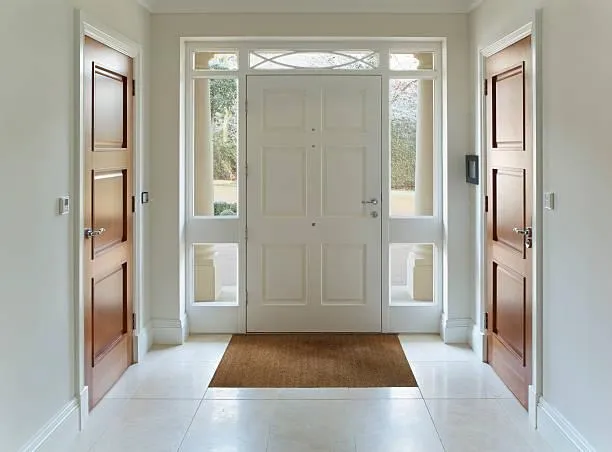
If your door feels small, is hard to move furniture through, or simply seems outdated compared to most homes today, it may be time for a scaled review. How wide is the average door in a house? This is the most frequently asked question among homeowners during home renovation or replacement procedures.
Knowing typical residential door dimensions will prevent installation errors, keep installation costs within budget, and deliver comfortable everyday living. From internal to external doors, as well as sliding glass doors, discover the standard door size.
If your door feels small, is hard to move furniture through, or simply seems outdated compared to most homes today, it may be time for a scaled review. How wide is the average door in a house? This is the most frequently asked question among homeowners during home renovation or replacement procedures.
Knowing typical residential door dimensions will prevent installation errors, keep installation costs within budget, and deliver comfortable everyday living. From internal to external doors, as well as sliding glass doors, discover the standard door size.
This guide will walk you through the entry points around your home – if you’re replacing any with a new door – and explain the average doorway width so you can feel confident when choosing both interior and exterior design ideas for your home.
Why Are Interior Door Sizes Standardized?
All houses are built with standard framing dimensions, so it’s easy to make, install, and swap the doors. Having a standard average door frame width allows doors to be mass-produced, making the supply more balanced with demand. The mass production also makes them more economical and easier to fit in most homes without the need for customization.
Standardization also reduces the amount of skilled labour and the production of custom-designed parts, which are themselves costly in terms of material and time. Despite older homes and custom-built houses having non-standard openings, the standard door size conforms to that of most new homes, giving a greater chance that many replacement doors will fit without significant alteration.

What Is the Standard Width of a Doorway in Residential Properties?
The typical width of doorways in residential homes is between 30 and 36 inches, depending on whether the door is a walk-through style or installed as an entryway. Internal doors are usually narrower than an exterior door. This is to provide access and room for people, appliances, furniture, etc.
Knowing the standard door frame width helps homeowners avoid purchasing doors that cannot fit through their target opening without cutting or remodeling. It also improves day-to-day usability, especially in busy areas where larger openings make entry and exit more inconvenient.
Typical Interior Doorway Size
The standard width of interior doors in most residential homes ranges from 30 to 32 inches. It’s a size that works for bedrooms, living rooms, dining setups, and home office arrangements alike — not too big yet still allowing easy movement.
For smaller rooms such as bathrooms, closets, pantries, or utility rooms, the typical range is 24 to 28 inches. These slimmer widths are more common in older homes, which were built with a space-saving philosophy. Although still functional, most homeowners opt for a larger opening when renovating so that it may be more consistent with today’s typical residential door size expectations.

Standard Doorway Size for Home Exterior Doors
Since an exterior door is the primary entry way for a house, it is built wider and is more solid than interior doors. The typical exterior door width—and the most common size doors for entry doors—is 36 inches.
This width ensures easier accessibility and has become an industry standard overall, ensuring easy passage of large furniture, home appliances, and machinery, as well as compliance with modern codes concerning barrier-free access. In bigger or custom houses, the widths of exterior doors might be more than 42 inches and can make an even grander entrance. That said, widening doors usually will require some structural changes, so you must confirm framing compatibility before you make any changes.

Standard Residential Door Height
The average height of an interior door in a home is 80 inches. This rule applies to the inside and outside doors; it’s constant for most new buildings.
Taller doors, around 84 inches or 96 inches, are becoming more commonplace in newer homes and buildings with taller ceilings. These panels have the added benefit of better sight lines and a more contemporary look. Homeowners, however, should know that moving to taller doors can necessitate reframing if available openings are less than the new residential door height.
Average Doorway Width for Accessibility
When a home is in need of wheelchair access or simply better mobility, the width of doors becomes particularly critical. The recommended average door size of 36 inches for accessibility is also enough to accommodate a range of wheelchairs and mobility devices.
Widening of door openings in high-use spaces such as bathrooms, kitchens, and front entries can drastically increase usability over time. Even if accessibility is not required at the moment, considering larger residential doorways can help you prepare your home for accessibility needs down the road.
What Size Are Sliding Glass Doors?
Residential Sliding Glass Doors Sliding glass doors are a wonderful addition to any home, perfect for patios, balconies, and backyard access. Although designs and sizes may vary, common sliding glass door measurements can be found at nearly all retailers.

Average Sliding Glass Door Width
The average width for a sliding glass door is 72” (6 feet). This system traditionally consists of two panels (one stationary and one mobile). It offers a practical solution for most homes.
They are available as narrow as 60 inches for smaller openings and can stretch to cover a 96-inch opening or larger. Broader doors ensure a seamless transition between indoor and outdoor spaces and allow more natural light in, but they require sufficient room on the walls and structural support.
Average Sliding Glass Door Height
The common slider door height is 80 inches or the same as residential doors. In new or custom homes, taller sliding doors — also up to 96 inches — are now commonly specified for larger views and more openness.
Before ordering, it’s important to measure the entire opening and frame dimensions where the standard door will be placed in order to verify that a standard door opening size requires these dimensions.
How to accurately measure average doorway width
While working with standard sizes is often straightforward, you’ll need to be precise with measurements if you want to achieve a successful replacement.
Take Several Width Measurements
Door frames can move over time, especially in older homes. Take 3 measurements from the top, middle, and bottom of the doorway width. Always use the smallest dimension to ensure that your new door fits snugly and adequately without forcing you to make any adjustments.
Take the Door Frame into Consideration in the Calculation
When ordering a replacement, you must always include the frame and not just the door slab. I find measuring frame-to-frame is a better indication of the standard size door opening required.
Consider the Door Swing and Clearances
The width of doorways is only part of the equation. Ensure that there is adequate room for the door to open without striking walls, fixtures, or furniture fully. This is particularly relevant for larger doors and high-use areas.

How to Determine the Average Doorway Width for Your Home
Knowing the average door size, standard door size, and typical single & double door dimensions will make planning & budgeting a lot easier. Although standards are a good rule of thumb, every home is different, and exact measurements should be made prior to purchasing.
Choosing the proper door size enhances comfort, accessibility, and performance of a Church restroom. Whether you’re replacing an interior or exterior door, adding a single door to your home’s configuration, or creating a large pass-through space, the more you understand these standards, the easier and more successful your installation will be.
文章导航
Prev2025 China Kitchen Design Popularity Ranking
Next Standard Shower Head Height and Why It Matters for Everyday Comfort
发表回复
您的邮箱地址不会被公开。 必填项已用 * 标注
在此浏览器中保存我的显示名称、邮箱地址和网站地址,以便下次评论时使用。
发表评论



1 Comment
Hi, this is a comment.
To get started with moderating, editing, and deleting comments, please visit the Comments screen in the dashboard.
Commenter avatars come from Gravatar.